How Laboratories Detect Adulterated Kratom Products
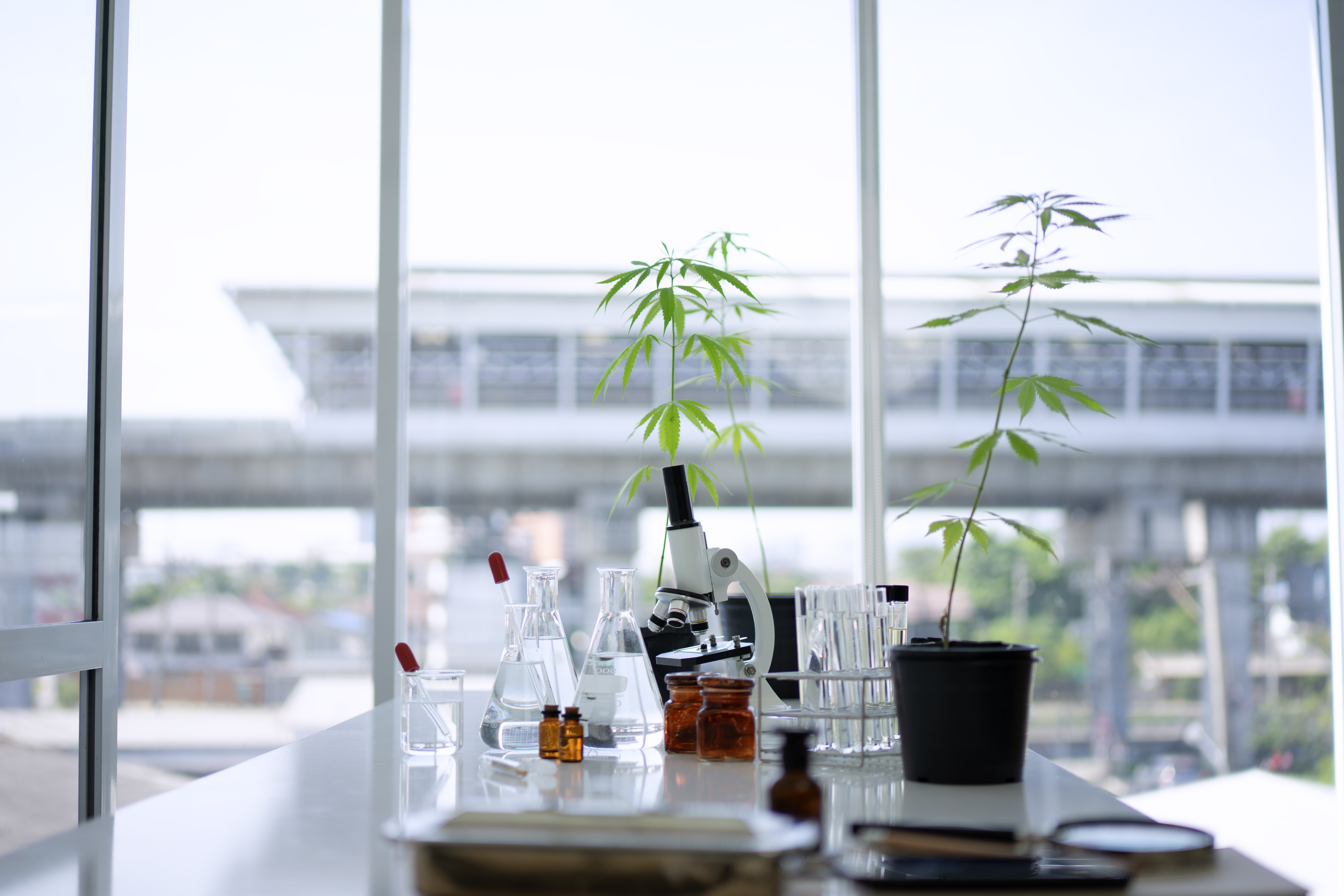
Laboratories detect adulterated kratom products using a combination of chromatography, mass spectrometry, microbial testing, and heavy‑metal analysis to compare each batch against what natural kratom should look like. By examining alkaloid profiles, screening for synthetic or pharmaceutical compounds, and checking for contaminants such as lead, Salmonella, and pesticides, labs can tell whether a kratom product has been spiked, diluted, substituted, or contaminated, long before it reaches consumers.
Why Adulterated Kratom Is a Big Deal
If you spend any time in the kratom world, either as a consumer, vendor, or advocate, you quickly realize there’s a huge gap between “what’s on the label” and “what’s actually in the bag.” Some products are clean, well‑tested, and honest. Others? They’re a mix of unknowns: spiked extracts, synthetic opioids, cheap fillers, and contamination from sloppy processing. That’s where independent laboratories come in.
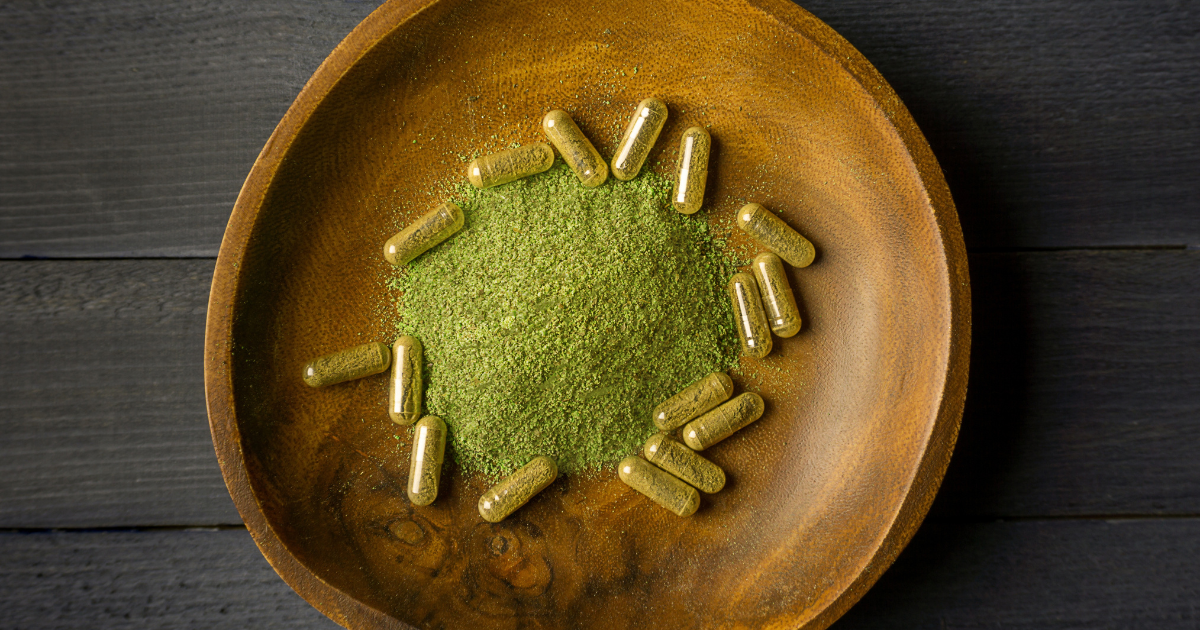
When laboratories detect adulterated kratom products, they aren’t just doing academic chemistry. Their work directly affects real people who could be harmed by undisclosed substances or dangerous contaminants. A product that looks like ordinary green powder can, in reality, contain elevated 7‑hydroxymitragynine, hidden painkillers, or heavy metals that quietly accumulate over time. The chemistry matters, but the stakes are human.
We’ve seen in our own review of lab data that kratom products can vary wildly in quality from one brand to another and even from batch to batch. Some samples align closely with what you’d expect from natural kratom leaves, while others look more like experimental drug blends masquerading as botanicals. Without lab testing, there’s no way to spot the difference just by sight, smell, or taste.
On top of that, regulators, health professionals, and responsible vendors all rely on the same core science. The methods labs use, chromatography, mass spectrometry, and microbiology, create a common language for evaluating whether a product is simply “strong” kratom or something more concerning. Understanding how those methods work gives you a serious edge when you’re evaluating kratom lab results, vendor claims, and certificates of analysis (COAs).
So, when we talk about how laboratories detect adulterated kratom products, we’re really talking about how the kratom community can separate legitimate, lab‑verified products from risky, adulterated ones, and ultimately build a safer, more transparent market.
What “Adulterated Kratom” Actually Means
Before you can understand how labs detect adulterated kratom products, you need a clear picture of what “adulterated” actually covers. It’s not just about obvious drug spiking; the term has layers.
First, there’s intentional chemical adulteration. Someone who wants to boost kratom effects will add fake pharmaceutical substances, which they create in labs, to the product. The list includes synthetic opioids and tramadol-like substances, research chemicals, and other laboratory-created substances that should never appear in natural plant products. The combination of these substances creates an intense experience, but they make people more likely to overdose while causing dangerous interactions with their medications and severe adverse reactions.
Second, there’s manipulation of the alkaloid profile. Natural kratom leaves have a characteristic balance of alkaloids, with mitragynine usually dominating and 7‑hydroxymitragynine present in relatively low amounts. When a lab finds a product with unusually high 7‑hydroxymitragynine compared to mitragynine, that suggests enrichment, chemical conversion, or an extract‑type product being sold as plain leaf. It may still “look” like kratom, but it behaves more like a semi‑synthetic preparation.
Third, you have contamination that crosses into the adulteration category. Heavy metals from polluted soil, microbial contamination from poor drying or storage, or pesticide residues from careless farming practices all fall under this umbrella when they rise above safe limits. No one is intentionally trying to spike the product with lead or Salmonella, but the end result is still a kratom product that isn’t what consumers think they’re buying: a relatively clean, natural plant.
The complete picture emerges through the combination of substitution and dilution methods. The products contain kratom in small amounts, which combine with various plant-based powders and inactive substances, and occasional stimulant components. The product becomes adulterated when the real amount of kratom and its alkaloid content differ from what the product label indicates.
The Role of Kratom Lab Testing and COAs
If adulteration is the problem, kratom lab testing and certificates of analysis are the tools we use to expose it. But not all COAs are created equal, and not every “tested” claim actually means much.
A legitimate COA starts with the basics: the product name, vendor name, batch or lot number, and the testing date. Crucially, the batch number on the COA should match the one printed on your bag or bottle. If it doesn’t, you may be looking at an old or recycled lab report, a common tactic used to make adulterated kratom products seem more legitimate than they are.
From there, a proper kratom lab report will show at least three core sections:
Identity and alkaloid profile (mitragynine, 7‑hydroxymitragynine, sometimes other minor alkaloids)
Contaminant testing (heavy metals, microbes, possibly pesticides)
Method information (the type of chromatography or analytical platform used, detection limits, and reference standards)
In our experience, the most telling COAs are the ones that list actual numbers rather than just “pass/fail.” When you can see the exact mitragynine percentage, the 7‑hydroxymitragynine content, and quantified metal levels, it’s much easier to spot patterns that hint at adulteration. A good report also notes the testing lab’s accreditation and sometimes includes a QR code or online lookup so you can verify the report directly with the lab rather than relying solely on what the vendor uploads.
Key Testing Methods Used to Detect Adulteration
To really understand how laboratories detect adulterated kratom products, you have to peek inside the toolbox. Fortunately, these tools are well‑established in pharmaceutical and food testing, so we’re not dealing with experimental science here, just applying proven methods to kratom.
Chromatography: Separating the Signal from the Noise
The testing of kratom alkaloids requires High-performance liquid chromatography (HPLC) and ultra-performance liquid chromatography (UPLC) together with their associated analytical methods. The components of kratom extract separate into individual fractions as they pass through a column containing specific adsorbent materials. Scientists create a chemical profile of the sample by measuring the timing of each compound as it enters the column.
The laboratory follows a standard procedure that involves taking specific quantities of kratom powder or extract before combining it with a solvent through shaking or sonication until the alkaloids become fully dissolved. The solution passes through a filter before the operator feeds it into the chromatograph. The chromatogram shows three peak patterns corresponding to mitragynine, 7‑hydroxymitragynine, and other alkaloids. Adulteration is detected when its pattern changes, producing new peaks, eliminating existing peaks, or disrupting normal peak relationships.
The analysts use reference materials for chromatogram comparison because they have verified their authenticity. Scientists found multiple new peaks during their kratom sample analysis, which revealed synthetic opioid peak positions and complete alkaloid profile differences from natural kratom products, thus creating a major security threat. Chemists who understand chromatography can identify problems before mass spectrometry begins.
Mass Spectrometry: Identifying and Measuring Molecules
Mass spectrometry (often coupled to chromatography as LC‑MS or LC‑MS/MS) takes things further by identifying and quantifying specific compounds based on their mass and fragmentation patterns. The instrument ionizes molecules and measures their mass-to-charge ratios, producing a spectrum that serves as a fingerprint.
In kratom testing, labs use LC‑MS/MS to:
Confirm the presence and concentration of mitragynine and 7‑hydroxymitragynine
Screen for known adulterants such as tramadol‑like compounds or synthetic opioids
Distinguish between closely related molecules that would be hard to tell apart with chromatography alone.
Because these methods are highly sensitive, they can detect adulterants even at low levels. That sensitivity is crucial, since even small amounts of a potent synthetic compound can dramatically change a product’s risk profile.
Heavy Metal and Microbial Testing
While not as flashy as LC‑MS, heavy‑metal and microbial testing are central to catching another class of adulteration: contamination. Labs often use techniques such as inductively coupled plasma mass spectrometry (ICP‑MS) to measure elements like lead, arsenic, cadmium, and mercury. In microbiology, they use culture‑based methods or molecular assays to detect pathogens such as Salmonella, E. coli, and harmful molds.
A kratom batch that exceeds established limits for heavy metals or shows pathogenic microbes is considered unsafe, even if its alkaloid profile looks normal. From a consumer’s perspective, these contaminants can cause chronic toxicity or acute illness, and the risk increases with long‑term use.
How Labs Spot Abnormal Alkaloid Profiles
One of the most powerful tools laboratories have to detect adulterated kratom products is the concept of a “normal” alkaloid profile. While kratom chemistry can vary due to region, strain, drying method, and harvest time, natural products still show a recognizable pattern.
In general, natural leaves have:
Mitragynine is the dominant alkaloid.
7‑hydroxymitragynine in significantly smaller amounts
A mix of minor alkaloids is present at trace levels.
When a lab sees a kratom sample with extremely high 7‑hydroxymitragynine relative to mitragynine, that suggests enrichment or conversion. Some products marketed as plain powder show alkaloid ratios more typical of extracts or semi‑synthetic preparations. That doesn’t happen by accident; it’s the result of processing that goes beyond grinding and drying.
Likewise, if the chromatogram shows missing expected peaks or a complete absence of natural minor alkaloids, it may indicate that the product is a reconstituted mixture of isolated compounds rather than ground leaf. In our review of lab results, we’ve seen cases where the “kratom” profile looks suspiciously clean and simplified compared to real leaf, a sign that something has been added or stripped away.
Detecting Synthetic and Pharmaceutical Adulterants
Synthetic adulteration is where things get truly dangerous. When people ask how laboratories detect adulterated kratom products, they’re often really asking: “Can labs spot synthetic opioids or other drugs hiding in my kratom?” The answer is yes, when proper methods are used.
Labs use targeted LC‑MS/MS methods designed to hunt for specific drug classes. These methods monitor predefined mass transitions, basically, the ways a molecule breaks apart under controlled conditions. Each synthetic opioid, tramadol‑type compound, or stimulant has a distinct set of transitions. When a kratom sample produces those transitions, the instrument flags the presence of that compound.
Once a suspect peak is flagged, analysts can compare its behavior and spectrum to authenticated standards. If the match is confirmed, the lab quantifies the amount of the adulterant present and reports the result. In documented cases, this process has uncovered products containing opioids that were never listed on the label, even when the packaging claimed “all-natural kratom.”
Non‑targeted methods, using high‑resolution mass spectrometry, take it a step further. Instead of just looking for known adulterants, the instrument scans broadly, then the software compares the detected masses to databases of potential compounds. That’s how labs can sometimes catch newly emerging synthetic adulterants that haven’t yet made their way onto standard screening panels.
Heavy Metals, Bacteria, and Pesticides: The Hidden Side of Adulteration
Not all adulteration involves psychoactive substances. Sometimes the problem is stuff that doesn’t change the “feel” of the kratom but quietly harms you over time. Heavy metals, bacteria, and pesticide residues fit that description.
Heavy metals can enter kratom through contaminated soil, water, or processing equipment. Over time, chronic exposure to metals like lead or arsenic can damage the nervous system, kidneys, and other organs. Labs detect these using techniques that can measure parts per billion, then compare the results to established safety limits. If a product exceeds those limits, it’s functionally adulterated,even if no one deliberately added the metal.
Bacterial contamination often reflects poor post‑harvest handling: leaves dried on dirty surfaces, stored in humid environments, or processed without proper hygiene. Pathogens such as Salmonella can cause severe gastrointestinal illness, and when kratom is often consumed daily, the risk is amplified. Microbial testing looks for total counts and for specific dangerous species.
Pesticides are another concern. Some growers may use crop‑protection chemicals that aren’t approved for consumable botanicals or apply them at inappropriate doses. Pesticide residue testing, usually via chromatography‑mass spectrometry, can reveal whether residues are present and at what levels. Together, these tests form a “safety net” around kratom quality, catching issues that aren’t obvious from alkaloid testing alone.
Comparing Clean vs Adulterated Kratom Lab Profiles
Here’s a simplified way to visualize the difference between a clean, well‑tested kratom product and one that shows signs of adulteration. This is not an exhaustive table, but it gives you a sense of what to look for when reading lab results.
Mitragynine level | Within expected range for leaf; moderate variance | Extremely high or inconsistent between batches |
7‑Hydroxymitragynine level | Low relative to mitragynine | Unusually high; sometimes approaching or exceeding mitragynine |
Minor alkaloids | Present in trace amounts, recognizable pattern | Missing, distorted, or overshadowed by unknown peaks |
Synthetic drug peaks | Not detected | Peaks matching opioid, stimulant, or other drug spectra |
Heavy metals | At or below conservative safety limits | One or more metals above safety thresholds |
Microbial counts | Within acceptable ranges; pathogens not detected | High total counts or presence of Salmonella/E. coli |
Pesticide residues | Not detected or below limits | Detected at concerning levels or with banned substances |
COA details | Clear methods, batch number, detection limits | Vague, incomplete, or reused across multiple batches |
When laboratories detect adulterated kratom products, they’re essentially seeing multiple “red flags” from this list line up at once.
Common Misconceptions About Kratom Testing and Adulteration
Kratom testing has become a buzzword, but there are some persistent misconceptions that can get people into trouble.
One misconception: “If there’s a COA, it must be safe.” In reality, some vendors generate bare‑bones reports that cover only mitragynine content, ignore contaminants, and never screen for adulterants. Others may reuse an old COA for multiple batches. A single PDF doesn’t guarantee anything unless it’s specific, detailed, and verifiable.
Another misconception: “Higher alkaloid numbers mean better quality.” Chasing the highest percentage of mitragynine or 7‑hydroxymitragynine can actually push you toward adulterated products. Natural leaf has limits; if numbers seem unrealistically high, that may signal enrichment, extracts masquerading as leaf, or something more disturbing. Quality is about balance, safety, and consistency, not just raw potency.
A third misconception: “If I feel fine, the product must be clean.” Many contaminants, heavy metals, pesticides, and even some synthetic compounds, don’t cause obvious symptoms right away. Their risks are cumulative or only appear when combined with other substances. You can’t “feel your way” to safety; you need data.
Finally, some people believe that all kratom is roughly the same and that testing is just a marketing gimmick. That might have been closer to the truth in the early days when supply chains were smaller and more transparent, but with today’s global, high‑volume market, relying on blind trust is an invitation to encounter adulterated kratom products sooner or later.
Practical Guidance: How to Use Lab Data to Avoid Adulterated Kratom
The good news is that you don’t need to be a chemist to use kratom lab testing to your advantage. A few practical habits go a long way.
First, always look for batch‑specific COAs. Don’t accept generic “example” reports or documents with no batch numbers. If a vendor can’t provide a COA that matches the lot you’re buying, that’s a red flag.
Second, skim for the essentials:
Mitragynine and 7‑hydroxymitragynine are listed with actual numbers.
Heavy‑metal panel (at least lead, arsenic, cadmium, mercury)
Microbial testing with clear pass/fail criteria
Third, sense‑check the numbers. If 7‑hydroxymitragynine is surprisingly high for what’s marketed as plain leaf, or if mitragynine values look wildly different between batches of the “same” strain, dig deeper. Reach out to the vendor and ask how they explain those differences.
Fourth, examine the lab itself. Reputable labs list their accreditation, methods, and detection limits. Some specialize in kratom and other botanicals, which usually means they’ve built specific methods to address alkaloids and common adulterants.
Finally, cross‑reference. If multiple independent reviewers have posted COAs for the same brand that show inconsistent or concerning results, that’s a strong signal to steer clear. In our own testing reviews, vendors who consistently publish robust, batch‑specific COAs tend to show much fewer signs of adulterated kratom products over time.
FAQ: How Laboratories Detect Adulterated Kratom Products
Q1: How can a lab tell if kratom has been spiked with other drugs?
Scientists detect molecular fingerprints of known adulterants using chromatographic and mass spectrometric methods. The laboratory identifies and measures substances in kratom samples that display fingerprint patterns that resemble tramadol and other synthetic opioid compounds. The confirmation process reveals that someone added these substances to the kratom product.
Q2: Are high 7‑hydroxymitragynine levels always a sign of adulteration?
Not always, but they’re a strong clue. Natural kratom leaf usually contains relatively low 7‑hydroxymitragynine compared to mitragynine. The discovery of excessive 7-hydroxymitragynine levels in leaf products indicates that someone has added substances to the natural kratom composition through extraction or processing methods.
Q3: What’s the difference between contamination and adulteration?
The term contamination describes when unintended substances, including bacteria, mold, and heavy metals, enter the environment due to farming activities and processing operations. The term adulteration describes the intentional modification of substances by adding synthetic compounds or altering alkaloid content. The product becomes unusable because of severe contamination, which spoils kratom safety standards for consumer products.
Q4: Can simple at‑home tests detect adulterated kratom?
Home tests can sometimes give a rough idea about the presence of certain substances (like basic opioid screens), but they’re nowhere near as sensitive or specific as professional lab methods. They can’t reliably identify individual alkaloids, quantify heavy metals, or detect most synthetic adulterants. For a real answer, you need proper chromatographic and mass‑spectrometric testing.
Q5: Why do some COAs only show mitragynine and nothing else?
Those reports are usually focused on potency rather than safety. A COA that lists only mitragynine tells you almost nothing about contamination or adulteration. To evaluate whether a product might be adulterated, you need data on multiple alkaloids and contaminants, and ideally a note on whether synthetic adulterants were screened.
Q6: Do all reputable kratom vendors test every single batch?
Not every vendor does, but the most safety‑focused ones aim to test each batch or at least every production lot that goes to retail. When you see a brand consistently publishing batch‑specific lab results, including alkaloids, metals, and microbes, that’s a good indicator that they’re actively trying to avoid adulterated kratom products entering their lineup.
Q7: Are there universal standards for kratom testing methods?
There’s no single global standard yet, but laboratories often adapt methods from pharmaceutical, dietary supplement, and forensic toxicology fields. Over time, best practices are converging on multi‑analyte LC‑MS/MS methods combined with heavy‑metal and microbial panels, establishing an emerging baseline for what “good testing” looks like.
Q8: If a product passes lab testing once, is it safe forever?
No. Lab results are batch‑specific snapshots. A clean COA from six months ago doesn’t guarantee that today’s batch from the same vendor is equally clean. That’s why ongoing batch testing and updated COAs matter so much when you’re trying to avoid adulterated kratom products long‑term.
Conclusion: What All This Means for Everyday Kratom Users
When you strip away the scientific jargon, the core message is simple: laboratories detect adulterated kratom products by comparing what’s in the bag to what natural kratom should look like, chemically, microbiologically, and toxicologically. They use chromatography and mass spectrometry to map alkaloid profiles and hunt for synthetic adulterants, conduct heavy‑metal and microbial tests to uncover hidden safety risks, and carefully document results to link them to specific batches.
For consumers, the practical takeaway is that lab data is your best defense. If you learn how to read COAs, recognize normal vs suspicious alkaloid profiles, and spot missing or vague information, you can avoid many of the risks that come with adulterated kratom products. Vendors who embrace transparent, batch‑specific testing aren’t just doing marketing; they’re giving you a way to verify that their products are what they claim to be.
In our view, the future of kratom depends on this kind of transparency. As more users demand real lab reports and more vendors adopt rigorous testing protocols, adulterated products have fewer places to hide. That means a safer, more stable market, and a far better chance that what you’re using is simply kratom, not a chemistry experiment in disguise.
Kratom Test Research
VerifiedIndependent lab analysis and transparency reporting. We verify vendor claims through third-party COA data — no vendor influence, no sponsored results.
Get lab insights before everyone else
Join kratom enthusiasts who rely on independent lab data. New COA breakdowns, safety alerts, and vendor updates — delivered weekly.
No spam · Unsubscribe anytime · Free forever
Affiliate Disclosure
Some product links are affiliate links. We may earn a commission at no cost to you. Affiliate relationships never influence our transparency scores, risk flags, or analytical methodology.